
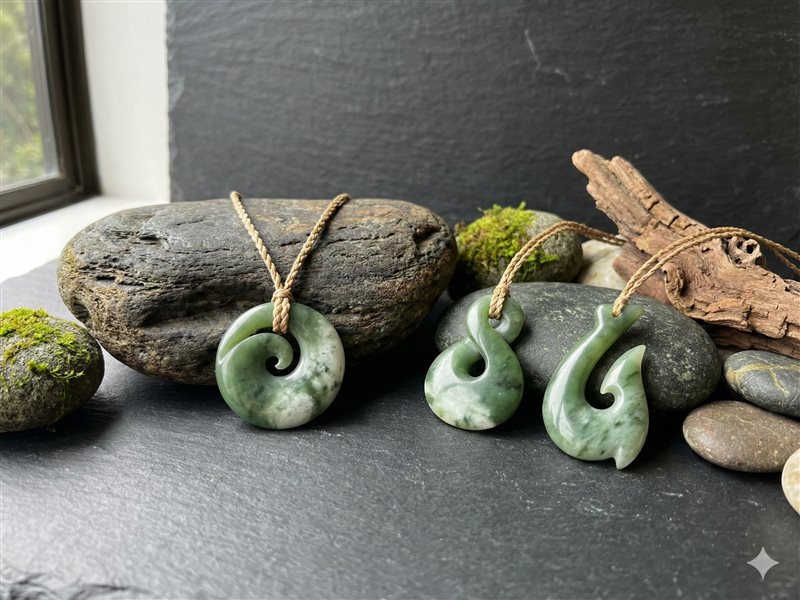
Discover the sacred significance of pounamu, New Zealand’s treasured greenstone with centuries of Maori tradition and spiritual meaning.
What is Pounamu Greenstone?
Pounamu is the Maori name for several types of hard, durable stone found in New Zealand’s South Island (Te Wai Pounamu – “the waters of greenstone”).
Types of Pounamu
Nephrite Jade: The most common form of pounamu, ranging from deep green to pale olive. This stone was traditionally used for tools, weapons, and ornaments.
Bowenite (Tangiwai): A softer, translucent stone ranging from pale green to dark olive. The name means “weeping water” referring to its clarity.
Serpentine: Various green stones also classified as pounamu by some iwi (tribes), though traditionally less valued than nephrite.
Where Pounamu is Found
Authentic NZ pounamu comes exclusively from specific rivers and areas of the South Island’s West Coast and Southland regions. The main sources include the Arahura River, Wakatipu area, and various locations in Westland. Ngai Tahu iwi holds guardianship (kaitiakitanga) over most pounamu sources.
Cultural Significance of Pounamu in Maori Tradition
Pounamu is considered a taonga (treasure) of immense cultural, spiritual, and practical importance.
Pounamu as Taonga
In Maori culture, pounamu is more than a beautiful stone – it carries mana (spiritual power) and whakapapa (genealogy). Pieces passed down through generations accumulate the stories and strength of their previous owners, making heirloom pounamu incredibly precious.
Traditional Uses
Before European contact, pounamu was essential for daily life and ceremony. Its hardness made it ideal for tools like adzes (toki) and chisels. Ornamental pieces including hei-tiki and mere (clubs) indicated status and were exchanged to seal alliances and relationships.
Gifting Tradition
Traditional belief holds that pounamu should be gifted rather than purchased for oneself. When gifted, the stone creates a spiritual bond between giver and receiver. This tradition continues today, making pounamu jewellery particularly meaningful as gifts.
Traditional Pounamu Necklace Designs & Meanings
Hei-Tiki
The iconic human-form pendant represents ancestors and is believed to bring good luck and fertility. Traditionally worn by both men and women of high status, hei-tiki are among the most recognised forms of pounamu jewellery.
Koru (Spiral)
Based on the unfurling silver fern frond, the koru symbolises new life, growth, strength, and peace. It’s a popular choice for those embracing new beginnings or seeking personal growth.
Hei Matau (Fish Hook)
The fish hook design represents prosperity, abundance, and safe passage over water. It honours the importance of fishing in Maori culture and is believed to bring good luck and strength.
Pikorua (Twist)
The single or double twist represents the eternal bond between people or cultures. It symbolises friendship, loyalty, and the intertwining of lives. Popular for couples and close friends.
Toki (Adze)
The toki shape honours the traditional tool used for carving and building. It represents strength, courage, determination, and focus – ideal for those facing challenges or new endeavours.
How to Buy Authentic Pounamu Jewellery
Verifying Authenticity
Genuine NZ pounamu should come with documentation of its origin. Look for certificates stating the stone is New Zealand sourced. Be wary of cheap “greenstone” imports from China or other countries – these lack the cultural significance and quality of true pounamu.
Choosing a Reputable Carver
Support traditional carvers and ethical retailers who work directly with Ngai Tahu-approved sources. Contemporary designers like Nick von K personally source authentic pounamu from Hokitika. Many carvers will provide information about where the stone was sourced and the meaning of the design.
Understanding Price
Authentic, high-quality pounamu is valuable. Prices reflect the rarity of the stone, quality of carving, and cultural significance. Very cheap “greenstone” is almost certainly imported and lacks authenticity.
Caring for Your Pounamu
Wearing Your Pounamu
Pounamu benefits from being worn close to the skin. The natural oils from your body enhance the stone’s lustre and deepen its colour over time. Many believe wearing pounamu allows it to absorb your energy and strengthen its protective qualities.
Cleaning & Maintenance
Clean pounamu with warm water and a soft cloth. Avoid harsh chemicals, ultrasonic cleaners, or extreme temperatures. Some people occasionally apply a light natural oil to enhance shine, though wearing regularly achieves the same effect.
Storage
When not wearing your pounamu, store it wrapped in soft cloth to prevent scratches. Some believe pounamu should never be completely “put away” as it needs contact with people to maintain its mana.