
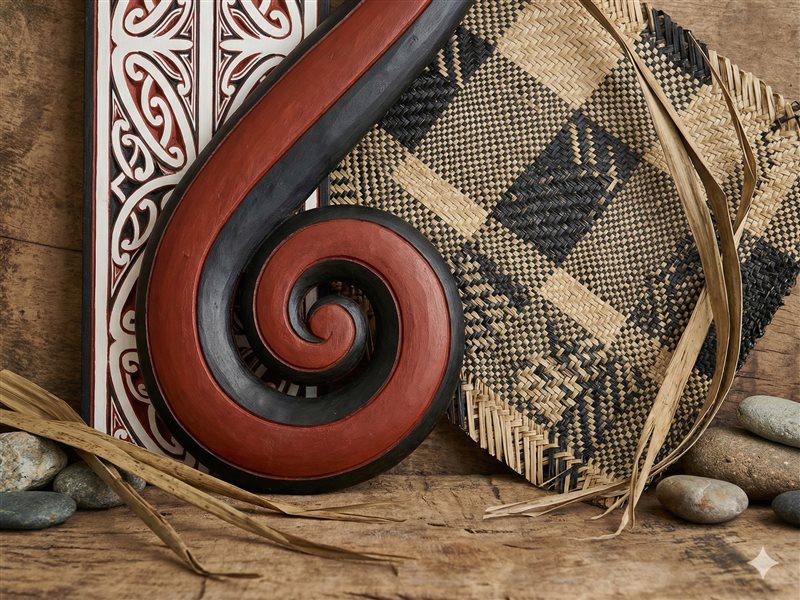
Whakatauki are traditional Maori proverbs that embody the wisdom, values, and common sense of tangata whenua – the people of the land.
Whakatauki (Maori proverbs) play a central role in Maori culture. These concise sayings use symbolism and metaphor to convey timeless wisdom about life, relationships, nature, and community. From formal speeches to everyday conversations, whakatauki continue to guide and inspire New Zealanders today.
Understanding Whakatauki
- Whakatauki: A proverb where the original speaker is unknown
- Whakatauaki: A proverb where the original speaker is known
- Purpose: To convey wisdom, values, and cultural knowledge
- Usage: Speeches, teachings, everyday guidance
- Style: Short, concise, using symbolism and metaphor
Whakatauki About Kindness and Aroha
Aroha – love, compassion, and kindness – is a central value in Maori culture. These proverbs about kindness remind us of the power of compassion and generosity.
This beloved whakatauki teaches the principle of reciprocity – what we give out into the world comes back to us. It encourages us to plant seeds of kindness in our daily interactions.
A powerful reminder to extend aroha to everyone, regardless of their background, status, or whether we agree with them. This whakatauki promotes unconditional compassion.
This proverb reminds us that the value of a gift lies not in its size but in the love with which it is given. A small gesture offered with genuine aroha is more precious than an extravagant gift given without heart.
Whakatauki About Value and Treasure
One of the most well-known whakatauki, this proverb is often used when presenting a modest gift. Pounamu (greenstone/jade) is extremely precious in Maori culture, so comparing something small to pounamu elevates its value. It’s a humble way to acknowledge that what matters is not the size of a contribution, but its quality and the spirit behind it.
The Significance of Pounamu
Pounamu holds deep cultural significance in Maori tradition. It was used for tools, weapons, and ornaments, and was considered a taonga (treasure). This whakatauki connects the metaphor of greenstone to anything of true value – including people, ideas, and actions.
Whakatauki About Unity and Teamwork
This popular whakatauki emphasises collective responsibility and unity. Just as everyone in a waka (canoe) must paddle together to move forward, communities achieve more when they work as one. It’s often used to encourage group solidarity and mutual support.
A humble acknowledgement that success is rarely achieved alone. This whakatauki honours the contribution of whanau (family), hapu (subtribe), and iwi (tribe) in personal achievements.
Whakatauki About Learning and Wisdom
This profound whakatauki outlines the pathway from listening to wellbeing. It emphasises that true wisdom begins with the humble act of listening and progresses through stages of deepening understanding.
The Four Steps to Ora (Wellbeing)
Whakarongo (listen) → Mohio (know) → Marama (understand) → Matau (wise) → Ora (wellbeing). This progression reminds us that lasting wellbeing comes from deep understanding, not surface knowledge.
Common Themes in Whakatauki
Whakatauki cover many aspects of life and values. Some common themes include:
- Aroha – Love, kindness, and compassion
- Whanaungatanga – Family and relationships
- Manaakitanga – Hospitality and care for others
- Kaitiakitanga – Guardianship of the environment
- Rangatiratanga – Leadership and self-determination
- Kotahitanga – Unity and collective action
- Whakapapa – Genealogy and identity
These themes reflect the values that guide Maori society and continue to offer wisdom for navigating modern life.
Using Whakatauki Today
Whakatauki remain a living part of New Zealand culture. They are used in:
- Formal speeches: Mihi (greetings) and whaikorero (oratory)
- Education: Teaching values in schools and workplaces
- Daily life: Offering guidance and encouragement
- Art and design: Inspiring visual artwork and typography
Learning whakatauki is a beautiful way to connect with Maori culture and the wisdom of tangata whenua. These proverbs offer timeless insights that resonate across cultures.
Explore More NZ Culture
Discover the significance of pounamu greenstone mentioned in these proverbs, or learn about the huia bird and its sacred place in Maori culture.